Finding the best metal 3D printer depends entirely on your production volume, facility constraints, and metallurgical requirements. Based on our rigorous field evaluations of global manufacturing facilities in 2026, the market has definitively segmented.
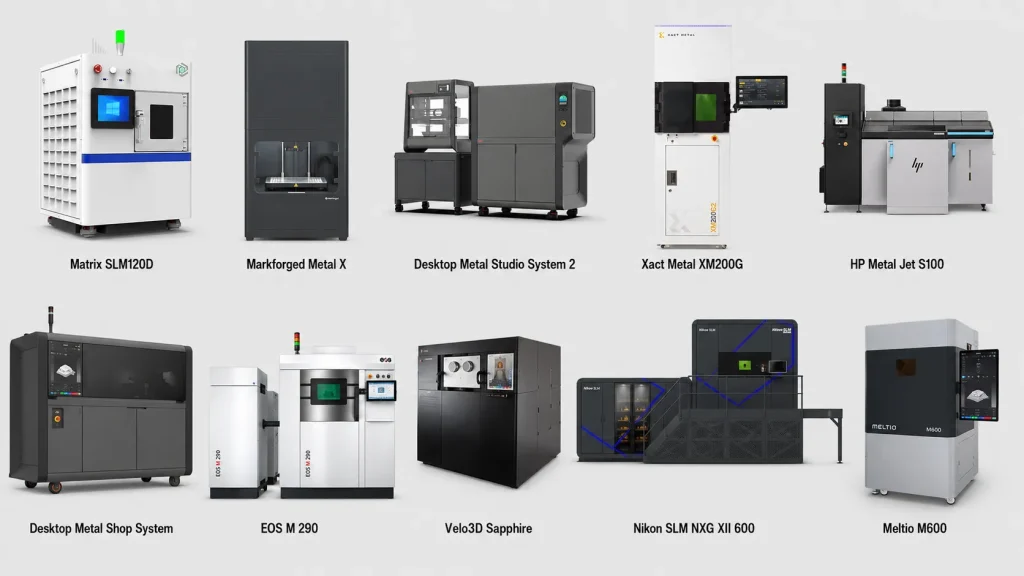
For entry-level adoption and office-friendly prototyping, the Markforged Metal X, Desktop Metal Studio System 2, the sub-$100k Xact Metal XM200G, and the highly accessible Matrix SLM120D are the top choices. If your operations demand scalable mass production, binder jetting platforms like the HP Metal Jet S100 and Desktop Metal Shop System are the undisputed leaders. Finally, for the rigorous certification of aerospace or medical components, leading industrial metal 3D printers like the EOS M 290, Velo3D Sapphire, and Nikon SLM NXG XII 600 provide the ultimate benchmark for material density and geometric precision.
This guide breaks down the true capabilities, total cost of ownership, and hidden maintenance realities of the top systems on the market.
Best Entry-Level Metal 3D Printers for Prototyping and Small Labs
Engineering offices often face strict hazardous material regulations, limited budgets, and tight floor space. For these environments, the best cost-effective metal 3D printers for prototyping prioritize ease of installation and safety.
The Markforged and Desktop Metal systems are the best “office-friendly” solutions because they safely encase metal in a polymer binder. However, the trade-offs include long multi-stage washing/sintering times and part shrinkage. Alternatively, systems like the Xact Metal XM200G and the Matrix SLM120D disrupt the market by bringing true LPBF technology down to entry-level prices. While Xact focuses on democratizing the printer hardware itself, Matrix solves the critical facility infrastructure hurdle with a complete turnkey solution.
| Printer Model | Technology | Build Volume | Key Advantage |
| Markforged Metal X | Bound Metal Extrusion | 300 x 220 x 180 mm | Powder-free safety |
| Desktop Metal Studio 2 | Bound Metal Deposition | 300 x 200 x 200 mm | Office-safe prototyping |
| Xact Metal XM200G | LPBF | 150 x 150 x 150 mm | Open materials |
| Matrix SLM120D | LPBF | Φ120 x 80 mm | Best value dental turnkey solution |
Markforged Metal X

Priced at an accessible sub-$100k base cost, the Markforged Metal X is highly regarded by machine shops that want an easy-to-install, out-of-the-box solution for jigs, fixtures, and low-volume prototypes.
The Positives: Accessibility and Cost Savings
- Facility-Friendly Safety: The Metal X utilizes Atomic Diffusion Additive Manufacturing (ADAM). Extruding metal powder bound within a plastic matrix eliminates the explosion and inhalation hazards associated with loose metal powders.
- Unique Design Capabilities: Unlike powder bed fusion systems that require escape holes to drain unused powder, the Metal X allows designers to print completely enclosed, lightweight internal cellular structures.
- Massive ROI for Tooling: Many companies report tremendous cost and time savings when replacing traditional CNC machining. Dixon Valve reported 30x cost savings and 10x time savings by using the Metal X to print custom robotic gripper jaws.
The Negatives: Closed Ecosystems and Shrinkage
- A Heavily Locked-Down Ecosystem: The most consistent complaint among users is Markforged’s proprietary ecosystem. The machine relies on the subscription-based Eiger cloud interface. Furthermore, users are locked into purchasing OEM-supplied materials, preventing them from experimenting with cheaper or custom third-party metals
- Shrinkage and Deformation Risks: Because the parts are printed in a polymer binder that must be washed and burned away, the “green” parts experience significant shrinkage during the sintering process.
Desktop Metal Studio System 2
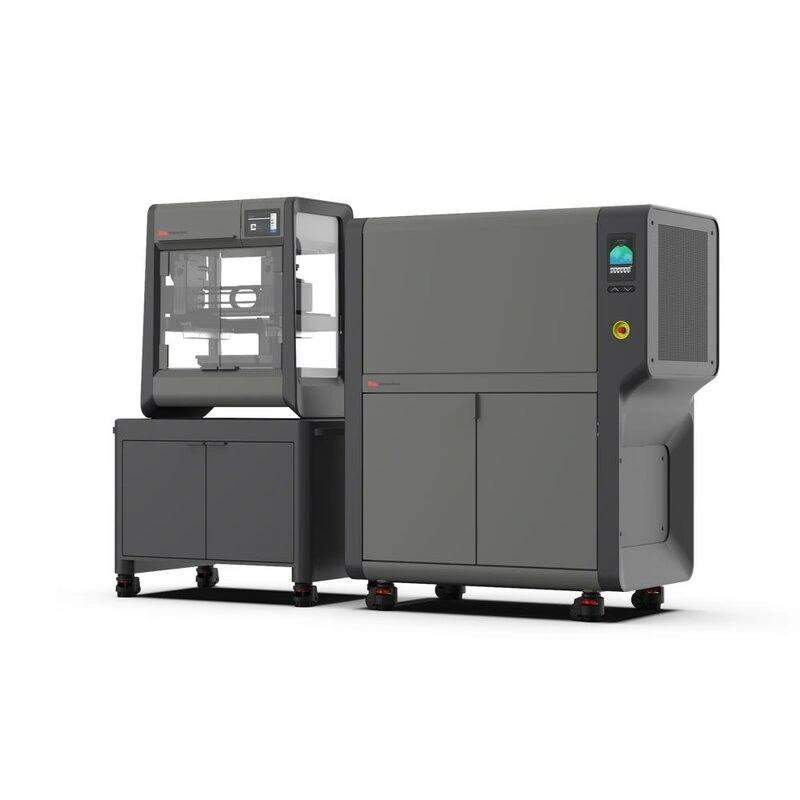
With a base price starting around $150,000, the Studio System 2 is a popular choice for automotive and consumer goods companies looking for an office-safe solution to produce low-volume, complex prototypes.
The Positives: Office-Safe Prototyping and Detail
- Office-Safe Prototyping: The Studio System 2 utilizes Bound Metal Deposition (BMD). This extrusion-based process completely eliminates the safety hazards associated with loose metal powders.
- Complex Geometries: Reviewers frequently praise the system’s ability to manufacture intricate geometries in materials like stainless steel, copper, and tool steel.
The Negatives: Sintering Failures and Locked Ecosystems
- Sintering Failures: While the printer itself is well-engineered, the sintering furnace is a frequent point of failure. Reviews highlight failures during the sintering phase, making it difficult to achieve consistent part quality.
- Locked Ecosystem: Users are locked into Desktop Metal’s proprietary materials and parameter sets, making the machine a poor choice if your goal is advanced material research and development (R&D).
Xact Metal XM200G
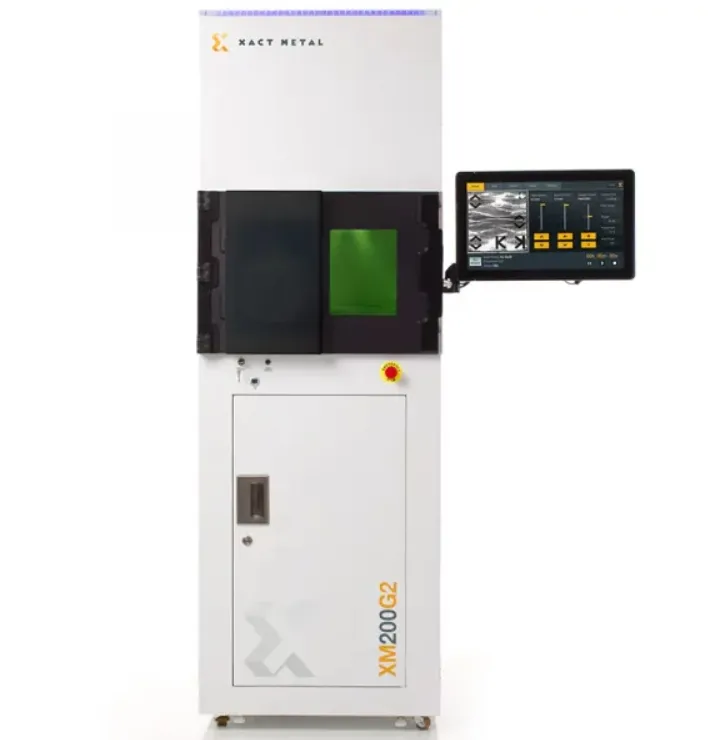
The Xact Metal XM200G is highly recommended for universities, R&D labs, and facilities that demand the superior mechanical properties of laser melting without a half-million-dollar investment.
The Positives: True LPBF Democratization and Open Ecosystems
- Industrial LPBF at an Entry-Level Price: The XM200G brings true LPBF to the sub-$100k price bracket. Unlike bound metal extrusion systems, it delivers fully dense, high-quality metal parts straight out of the printer.
- Open Material Platform: A massive selling point is the open architecture. Users are not locked into expensive OEM-supplied powders and can source materials from global suppliers.
- High-Speed Galvanometer Architecture: The XM200G utilizes high-performance, water-cooled galvanometer mirrors, allowing for scan speeds up to 34.6 m/s.
The Negatives: Volume Limitations and Powder Handling
- Hazardous Loose Powder Handling: Operators must handle loose, reactive metal powders, which carry inhalation and explosion risks. The standard setup necessitates rigorous safety protocols and personal protective equipment (PPE).
Matrix SLM120D
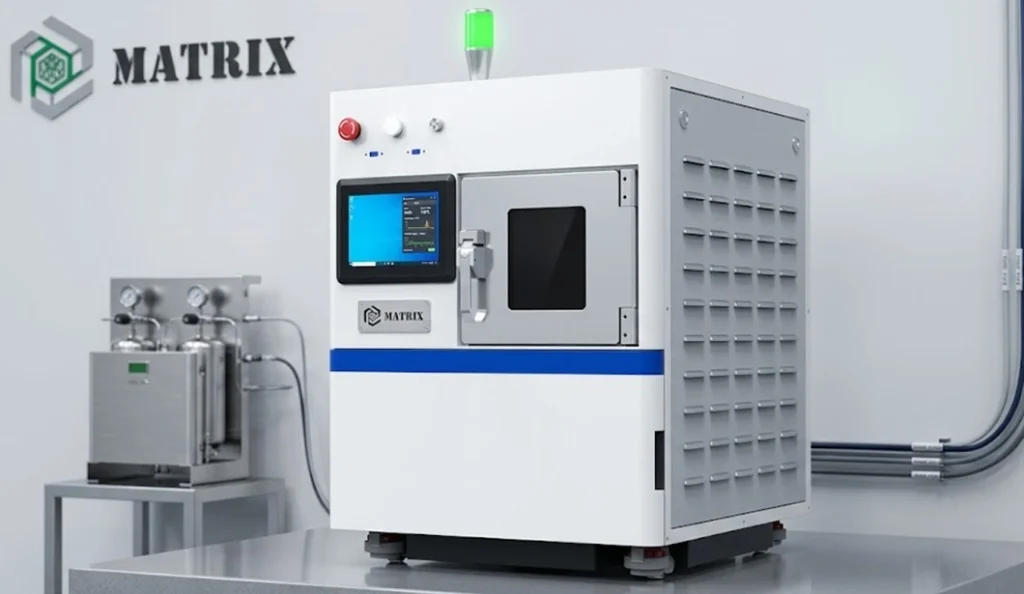
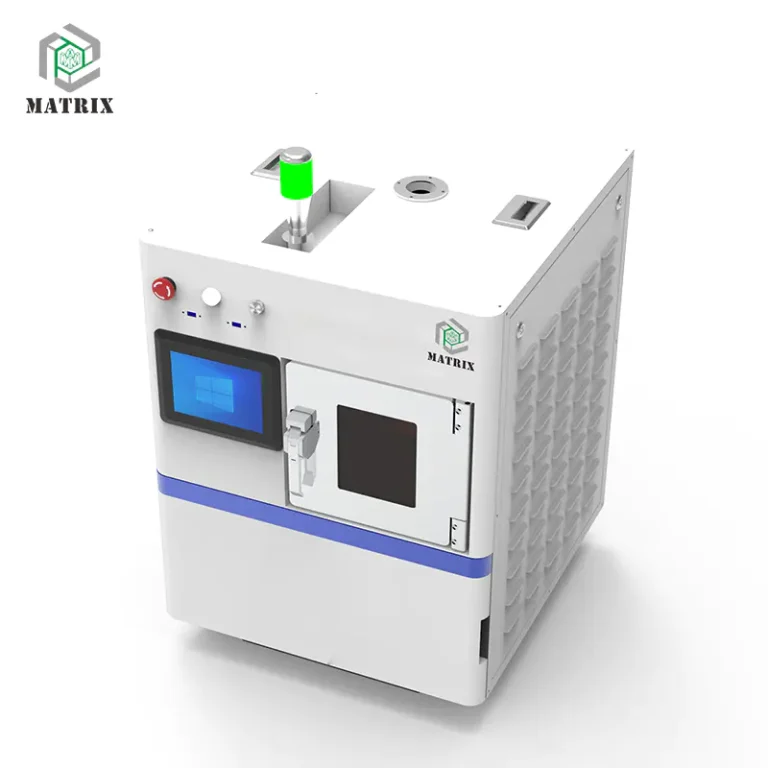
Priced between $24,888 and $28,200 for the complete set, the Matrix SLM120D is the best metal 3D printer 2026 offers for entry-level users and dental labs with zero infrastructure. By delivering the entire ancillary ecosystem in a single crate, it completely solves the hidden facility costs and integration barriers of adopting LPBF technology.
The Positives: Turnkey Infrastructure and Open Ecosystems
- The Complete “Lab in a Box”: While competitors focused on dropping the price of the bare printer, Matrix disrupted the workflow. Most cheap metal printers are paperweights without ancillaries. The Matrix bundle solves this by including the printer, a 99.9% Nitrogen generator, a water chiller, a drying oven, and even a sawing machine to cut parts off the build plate.
- True LPBF Power: It features a Φ120×80 mm build volume and uses a dedicated Fiber Laser (300W or 500W), delivering industrial-grade melting capabilities right to the desktop.
- Avoiding Vendor Lock-In: Because the system runs on open-source VoxelDance software, operators avoid the proprietary restrictions that plague older brands. You retain full authority to tune parameters and source third-party metal powders.
The Negatives: Extreme Volume Limitations
- Restricted Build Envelope: With a circular build volume of just Φ120×80 mm, this machine is strictly relegated to small dental frameworks and R&D coupons. It cannot handle mid-sized brackets or heavy tooling.
Best Industrial LPBF Metal 3D Printers for Precision Parts
Industrial LPBF metal 3D printers are designed for high-value parts where density, repeatability, surface quality, and process control matter more than the lowest machine price. These systems are commonly used in aerospace, medical devices, energy, motorsport, and advanced engineering applications where printed parts may need strict qualification or long-term production validation.
EOS M 290
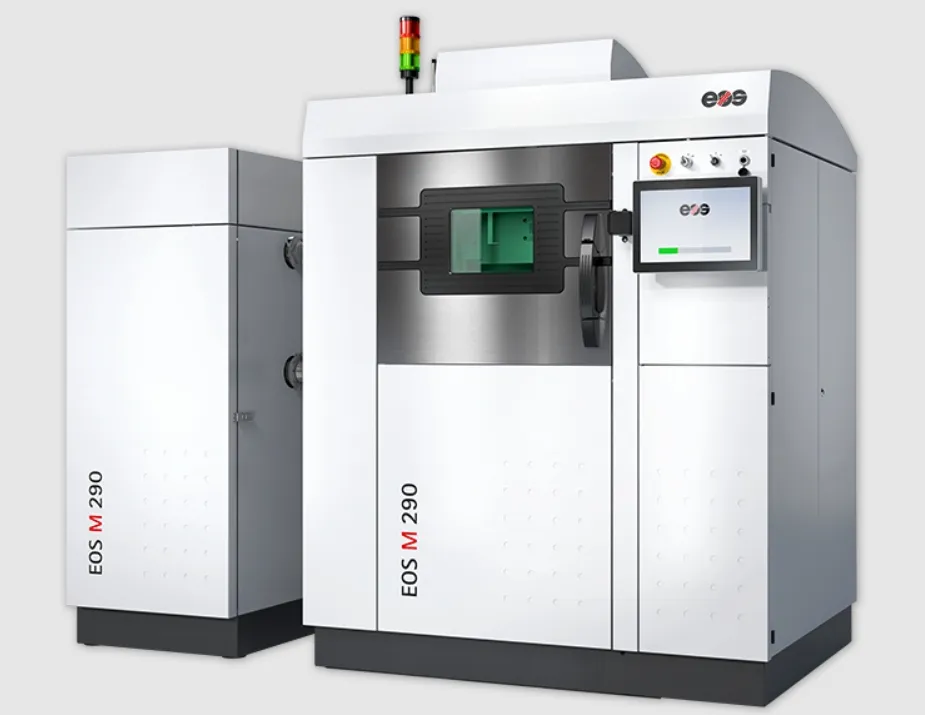
The M 290 dominates the mid-frame industrial segment with an installed base of over 2,000 units worldwide. Roughly 50% of these machines are qualified for highly regulated aerospace and medical serial production.
- A Proven Stepping Stone: Product development teams use the M 290 as a development platform. Because it shares processes with the larger EOS M 400-4, teams can perfect parameters on the M 290 and seamlessly port them to massive quad-laser systems.
- Precision Optics and Laminar Gas Flow: Raw laser power means nothing without good gas flow. The M 290’s laminar gas management effectively clears condensate cake and laser plume smoke from the chamber to guarantee unobstructed laser transmission and prevent oxide defects.
- In-Situ Quality Assurance: The EOSTATE monitoring suite, Smart Fusion, and Optical Tomography provide real-time layer analysis to automatically regulate heat distribution and prevent warping.
Velo3D Sapphire
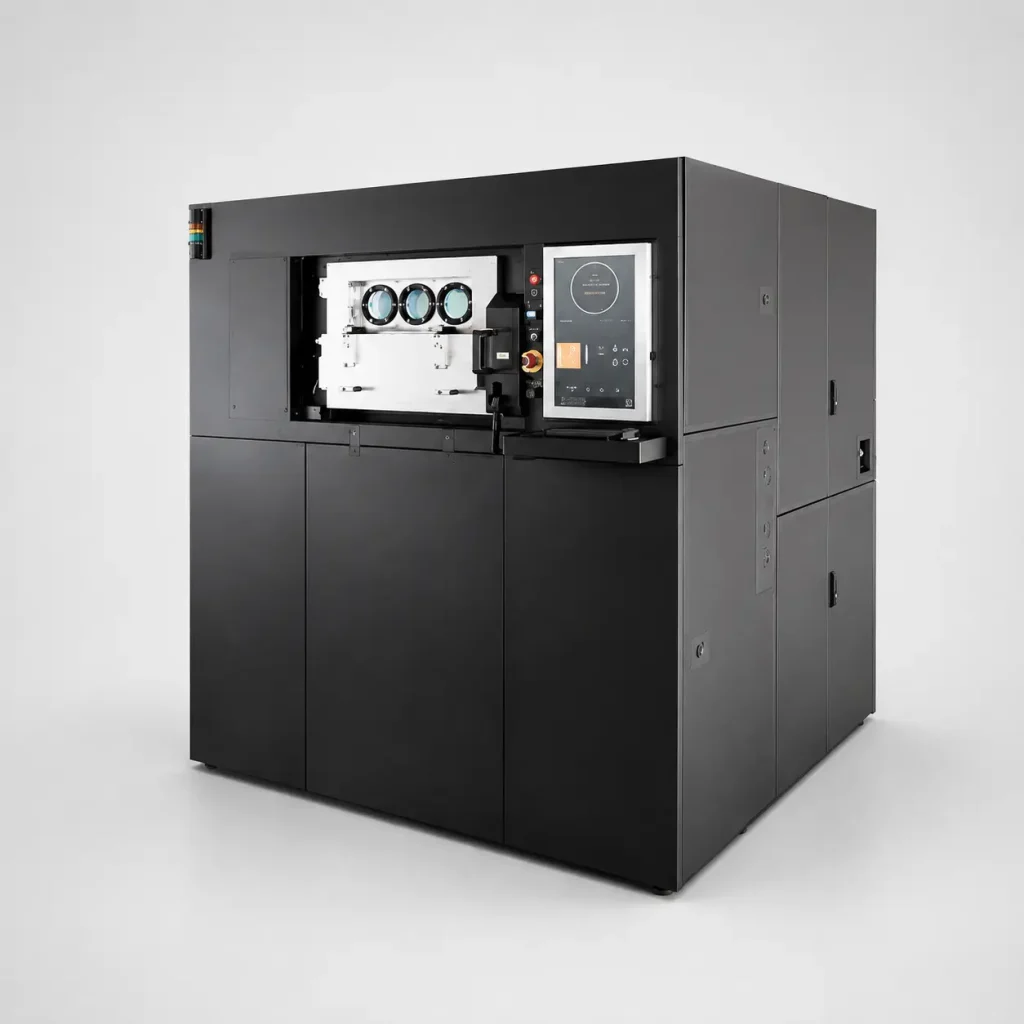
Based on our evaluations of advanced aerospace manufacturing facilities, the Velo3D Sapphire is the only system that truly eliminates the “45-degree rule.” For mechanical design engineers tired of compromising performance for manufacturability, this is the current gold standard.
- Eliminating the 45-Degree Rule: Traditional LPBF requires solid metal supports for overhangs below 45 degrees. The Sapphire system enables overhangs down to 0 to 10 degrees without supports.
- High-Volume Production: The machine features dual 1kW fiber lasers and achieves greater than 99.9% part density. The system reduces part costs by 30 to 70% by virtually eliminating the need for post-machining support removal.
- The Non-Contact Recoater: Instead of a traditional rigid blade that can collide with warped parts, the Sapphire uses a non-contact recoater that “snowfalls” powder onto the bed. This prevents part collisions and enables the printing of free-floating parts.
Best Metal 3D Printers for High-Volume Production
High-volume metal 3D printing is for manufacturers that need repeatable production, lower cost per part, and a workflow that can run beyond occasional prototyping. In this category, the goal is not simply to print one complex part. The goal is to produce many qualified metal parts with stable quality, predictable throughput, and controlled post-processing.
HP Metal Jet S100
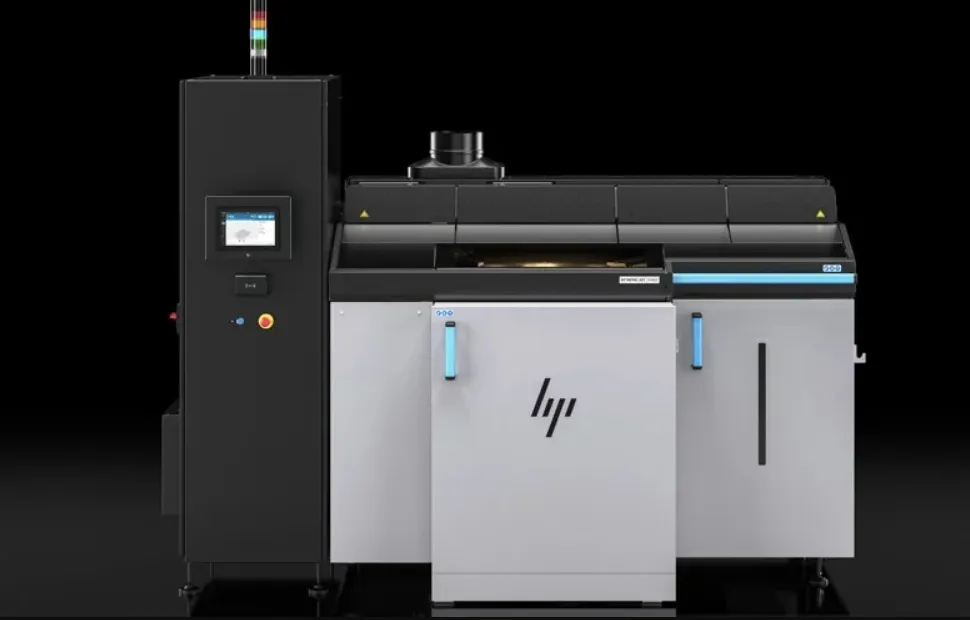
The HP Metal Jet S100 is an industrial powerhouse designed to directly replace MIM for the mass production of complex, low-cost metal parts.
The Positives: Mass Production Speed and Green Part Stability
- Unmatched Volumetric Throughput: The S100 achieves blazing print speeds of 1,990 cm3/h. Inkjet heads deposit millions of droplets simultaneously across the entire 430 x 309 x 200 mm build bed.
- Unique Curing Step: HP incorporates a curing station step that strengthens the bound metal parts before they go through powder removal. This significantly reduces the breakage rate of delicate parts during depowdering.
The Negatives: The “Monster” Ecosystem and Idle Clogging
- A Heavily Locked-Down Ecosystem: Adopting the HP platform means committing to a highly restricted ecosystem. Users report having minimal control over fundamental process parameters and are entirely locked into using HP-approved powders and binders.
- Thermal Inkjet Head Clogging: The high-precision thermal inkjet heads offer incredible resolution, but they are prone to clogging if left idle for too long or if environmental conditions are not tightly controlled.
Nikon SLM NXG XII 600

Based on our tracking of heavy-industry deployments, the Nikon SLM NXG XII 600 is no longer experimental; it is the undisputed heavyweight champion of mass metal additive manufacturing.
- Large-Scale Production: The NXG XII 600 features twelve overlapping 1000W lasers working simultaneously across a massive 600 x 600 x 600 mm build volume.
- Slashing Idle Times: The machine incorporates a unique removable build cylinder. This drastically slashes machine idle times between prints, effectively reducing part costs.
- Precision Zoom Functionality: The unique “zoom” functionality provides enhanced control over printing parameters, allowing operators to make precise adjustments for different part geometries to optimize build quality.
Best Metal 3D Printers for Small-Batch Production
This category is for manufacturers that need flexible metal production rather than full mass production. Typical users include job shops, repair workshops, tooling teams, industrial maintenance departments, and manufacturers that need short-run metal parts.
Desktop Metal Shop System

Based on field observations and candid discussions with job shop owners running these systems in 2026, the Shop System is highly polarizing. There is no middle ground here. When properly dialed in, this binder jetting machine easily competes with traditional mass production for small-quantity batches. However, getting your shop to that peak level of operational efficiency requires surviving a steep technical learning curve and navigating real mechanical reliability hurdles.
Key Advantages: High-Throughput Production and Live Sinter Simulation
In our experience watching operators transition to binder jetting, managing shrinkage is the biggest hurdle. We have seen firsthand how Desktop Metal’s Live Sinter tool acts as the killer app for this system.
- High-Throughput Production: The system features massive nozzle redundancy, ensuring continuous binder jetting and suppressing print defects.
- Live Sinter Software: This simulation software predicts and corrects the non-uniform shrinkage and distortion that plagues “green” binder jet parts during furnace sintering.
The Nightmare Factor: Hardware Reliability and Support Frustrations
- Navigating Mechanical Issues: Documented mechanical issues exist. Some machine shops face initial downtime due to assembly errors and gantry misalignments.
- Specialized Personnel Required: Treating the Shop System like just another CNC mill will result in failure. The debinding and sintering stages require a dedicated technician who understands powder handling and furnace dynamics.
Best for Hybrid Manufacturing
Hybrid manufacturing combines metal 3D printing with repair, material build-up, and CNC machining. Instead of replacing machining, it works beside it. This makes it useful for manufacturers that need to repair expensive metal parts, add features to existing components, or build near-net-shape parts before final machining.
Meltio M600
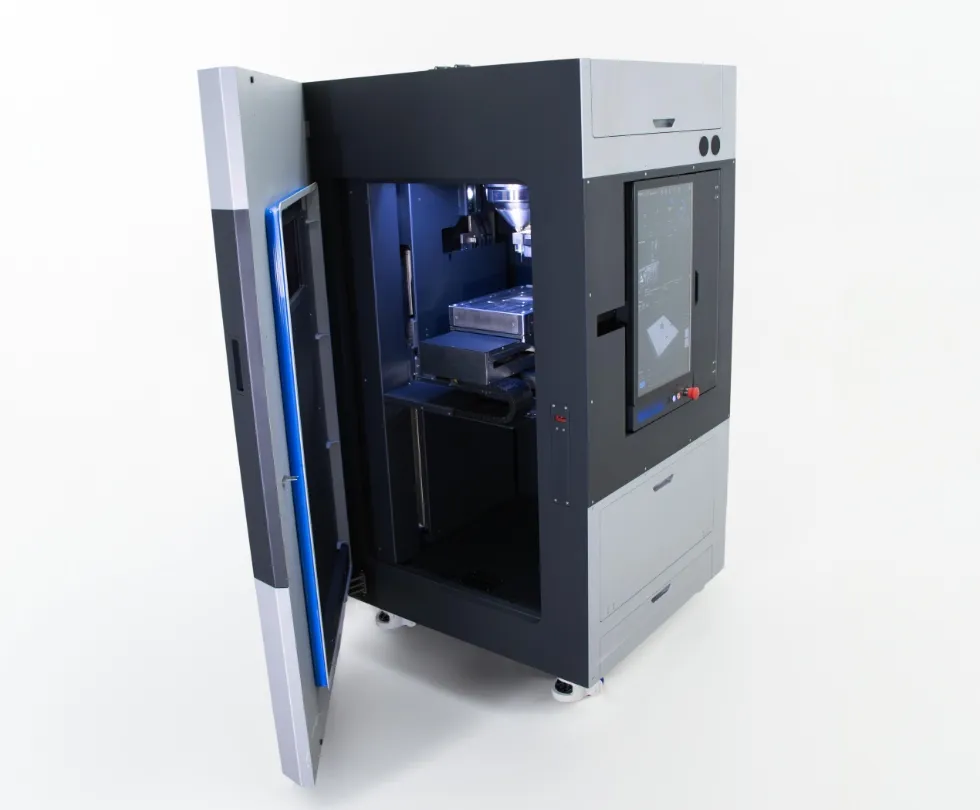
Publicly listed at around $296,000 before accessories, the Meltio M600 is a high-end wire-laser metal 3D printer for manufacturers that need metal part repair, feature addition, and hybrid CNC workflows. It is not designed for fine-detail prototypes or complex internal channels like LPBF machines. Its real value is using welding wire to build or repair larger metal parts, then finish them with machining.
The Positives: Wire Feedstock, Blue Lasers, and Hybrid Repair
- Powder-Free Wire Feedstock: The M600 uses standard welding wire instead of loose metal powder. This reduces powder-handling risks, material waste, and the need for complex powder recovery equipment.
- Blue Laser System: Its blue-laser architecture is designed to improve absorption on reflective metals such as copper and aluminum alloys, where some near-infrared laser systems can struggle.
- Built for Repair and Feature Addition: The M600 is better suited for adding material to existing parts than most powder-bed printers. This makes it useful for rebuilding worn components, repairing high-value parts, or adding metal features before CNC finishing.
- Multi-Wire Capability: Dual-wire and quad-wire options allow users to work with different wire materials in one workflow. This is useful when only certain areas of a part need a wear-resistant or expensive alloy.
The Negatives: Near-Net Shape and Post-Machining
- Not for Fine Detail: The M600 is not the best choice for small precision parts, lattice structures, conformal cooling channels, or highly detailed geometries. LPBF systems are still better for those applications.
- CNC Finishing Is Usually Needed: Wire DED parts are usually near-net shape. Buyers should expect post-machining if they need accurate dimensions, smooth surfaces, or tight tolerances.
- Requires an Industrial Setup: This is a factory-floor machine, not an office-friendly printer. Users need to consider floor space, operator training, shielding gas or inert atmosphere requirements, and downstream machining capacity.
Key Factors in Selecting the Right Metal 3D Printer
A common mistake hardware startups make is buying a machine without budgeting for the facility upgrades. Evaluating your true operational needs before purchase prevents catastrophic CapEx waste. Before making a final purchase, it is useful to match your part size, material, throughput, and post-processing needs with the right industrial metal 3D printer category.

Matching Build Volume and Throughput
Stated build volume differs from usable volume. Actual throughput is driven by laser count, layer thickness (e.g., 30 microns vs. 60 microns), and recoating speed. Do not purchase a large-format printer if your daily production volume does not justify the idle time.
Evaluating Open vs. Closed Material Systems
Closed ecosystems guarantee process parameters but lock you into OEM powder pricing. Open platforms allow sourcing from global material suppliers, significantly lowering operational costs for research teams and large-scale producers.
Assessing Facility Requirements and Safety Compliance
Installing metal additive manufacturing involves harsh realities. Facilities require HVAC ventilation upgrades, inert gas supply lines (argon or nitrogen), and explosive hazard mitigation for handling reactive powders. Turnkey systems can alleviate some of this, but high-volume production requires permanent infrastructure.
Metal 3D Printing Technologies Explained
In our experience, if your driver is geometric complexity, you need LPBF. If you need deposition speed for large repairs, DED is your only viable path.
- Laser Powder Bed Fusion (LPBF / DMLS / SLM): Melts powder layer-by-layer in an argon atmosphere to achieve 99.9% density. It is best for internal channels, lattices, and part consolidation.
- Binder Jetting: Involves the inkjet-style deposition of polymer binders onto metal powder, followed by debinding and sintering. Its primary advantage is speed and a lack of support structures during printing.
- Directed Energy Deposition (DED): Feeds wire or powder directly into a laser or electron beam melt pool. It features a high deposition rate (greater than 1kg/hr) and is utilized for repairing high-value turbine blades or forging dies.
- Bound Metal Extrusion: Operates similarly to FDM plastics and avoids loose powder hazards. It requires extensive post-processing via washing and sintering stations.

Cost Analysis: Metal 3D Printing vs. CNC Machining in 2026
We consistently observe that post-processing accounts for 20-35% of the total manufacturing cost of a 3D printed metal part.
| Cost Factor | Metal Additive Manufacturing | Traditional CNC Machining |
| Machine Hourly Rate | $100 – $300 | $40 – $120 |
| Material Cost | $80 – $600 per kg | $5 – $20 per kg |
| Tooling Setup | Zero | High (Fixtures, CAM, cutters) |
| Geometric Complexity | Free | High Cost |
For a more detailed budget breakdown, see our full guide to metal 3D printer cost in 2026.
The True Total Cost of Ownership (TCO)
TCO involves machine time (accounting for 40-60% of the cost), metal powders, and overhead including labor, energy, and safety compliance. AM’s high machine rates must be offset by value-added design.
Hidden Post-Processing Costs
No part is ready straight from the printer. Hidden costs include support removal via Wire EDM, mandatory stress relief heat treatments, Hot Isostatic Pressing (HIP) for fatigue life, and CNC machining for final tolerances.
When AM Provides the Best ROI
The ROI tipping point favors additive manufacturing in low-volume/high-complexity scenarios. Examples include combining five parts into one assembly or adding conformal cooling channels. CNC dominates simple, high-volume production.
Best Metal Powders and Alloys for 3D Printing
Understanding metallurgical behavior is critical. Selecting the best stainless steel printer 2026 demands knowing how the alloy will respond to laser melting.
Titanium (Ti6Al4V)
Titanium is the standard for aerospace and medical implants due to its exceptional strength-to-weight ratio and biocompatibility. However, it requires strict oxygen control (below 1000 ppm) in the build chamber to prevent embrittlement.
Nickel-Based Superalloys (Inconel)
Inconel 718 and 625 provide high-temperature strength (greater than 650°C) and are used in rocket engines and gas turbines. These materials require rigorous stress-relief heat treatment cycles to mitigate high crack susceptibility.
Stainless Steels and Aluminum
Stainless steel 316L and 17-4PH offer cost-effective functional prototypes and excellent corrosion resistance. Aluminum (AlSi10Mg) is favored for lightweight thermal applications like heat exchangers, though its high laser reflectivity requires precise atmosphere control.
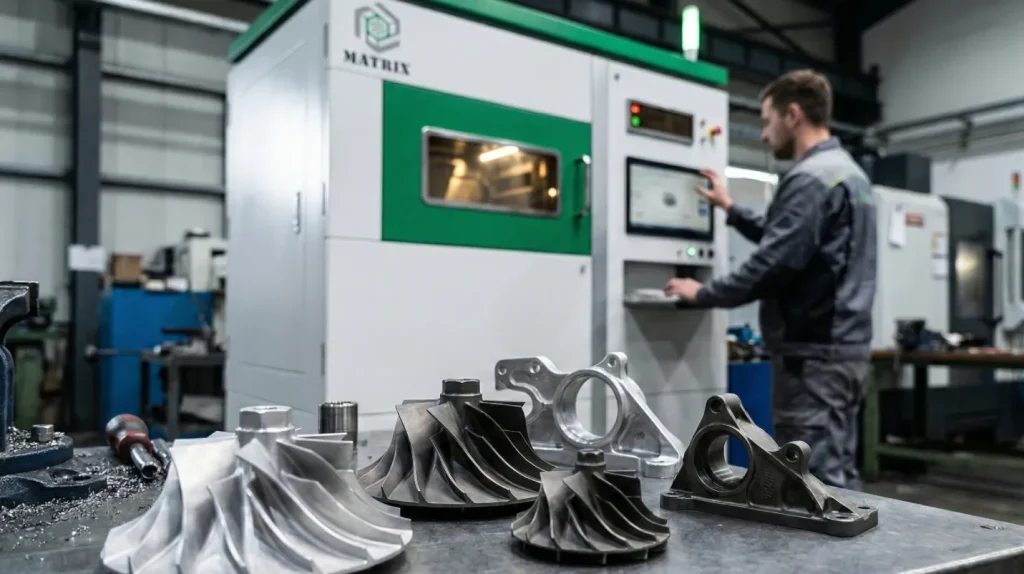
Real-World Use Cases: Who is Winning with Metal Additive Manufacturing?
These systems generate actual industrial value on factory floors today, moving far beyond rapid prototyping.
- Aerospace and Defense: Airbus includes 3D printed titanium pylon brackets on every A350 XWB, helping secure wing-engine connections. This consolidation reduces weight, translating to massive fuel savings. The US Navy utilizes portable DED machines for point-of-need repair of naval components.
- Medical Devices: UC San Diego Health implanted a customized 3D printed artificial disc in a patient’s spine. A patient-specific cranial implant in Ti6Al4V ELI can be designed, printed, heat-treated, and finished in 5 days, reducing operating room time by hours.
- Automotive and Motorsports: Michelin mass-produces upwards of one million metal mold parts annually using metal AM. Printing conformal cooling channels in injection molds reduces cycle times by 30-50%.
Frequently Asked Questions About Metal 3D Printers
Is metal 3D printing cheaper than CNC machining?
At low volumes for highly complex parts, yes. At high volumes for simple geometries, CNC is significantly cheaper. Additive manufacturing’s advantage is eliminating tooling costs and material waste.
Are metal 3D printed parts as strong as cast or forged metal?
Properly printed and heat-treated LPBF parts often exceed cast properties and approach forged properties, boasting 99.9% density.
What is the largest metal 3D printer available in 2026?
The Sciaky EBAM 300 Series is a massive Directed Energy Deposition (DED) system. It features a build volume of 5700 x 1200 x 1200 mm and is designed for large-scale aerospace components.